By Christie’s International Real Estate New York
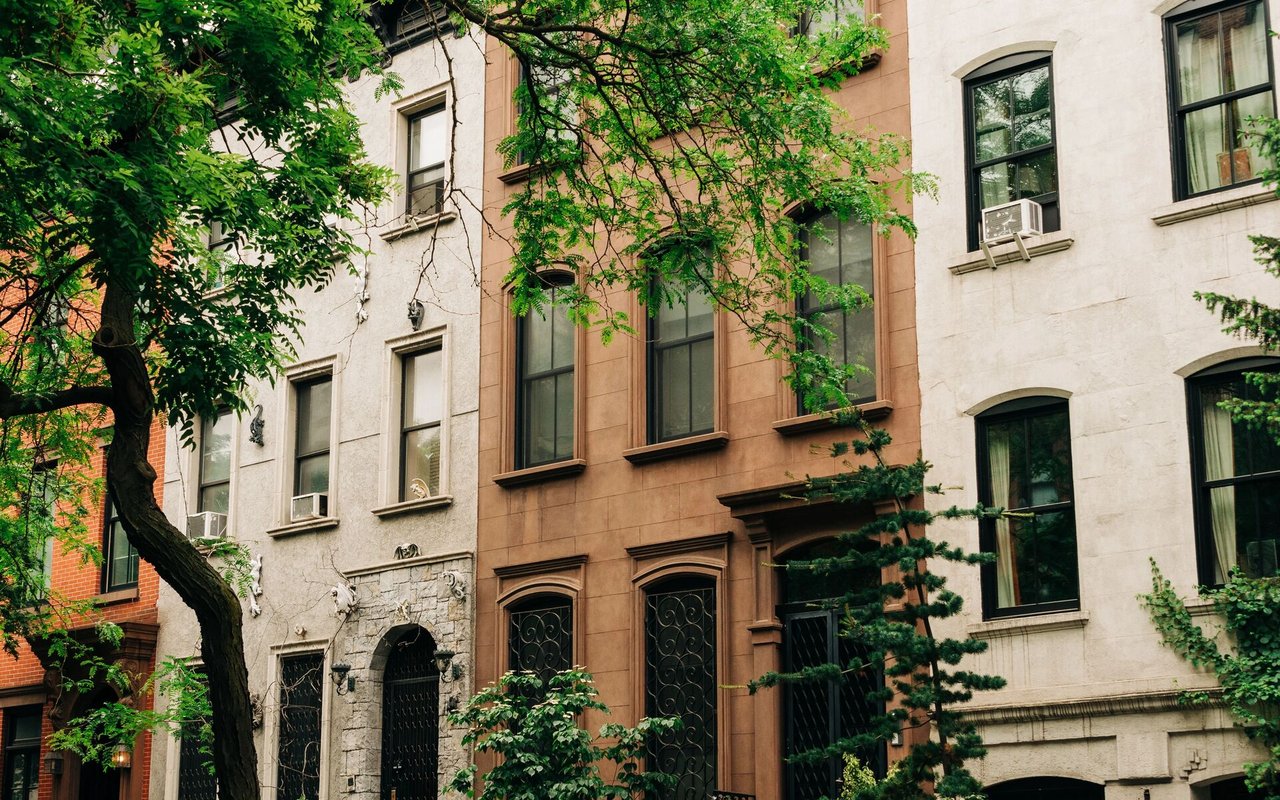
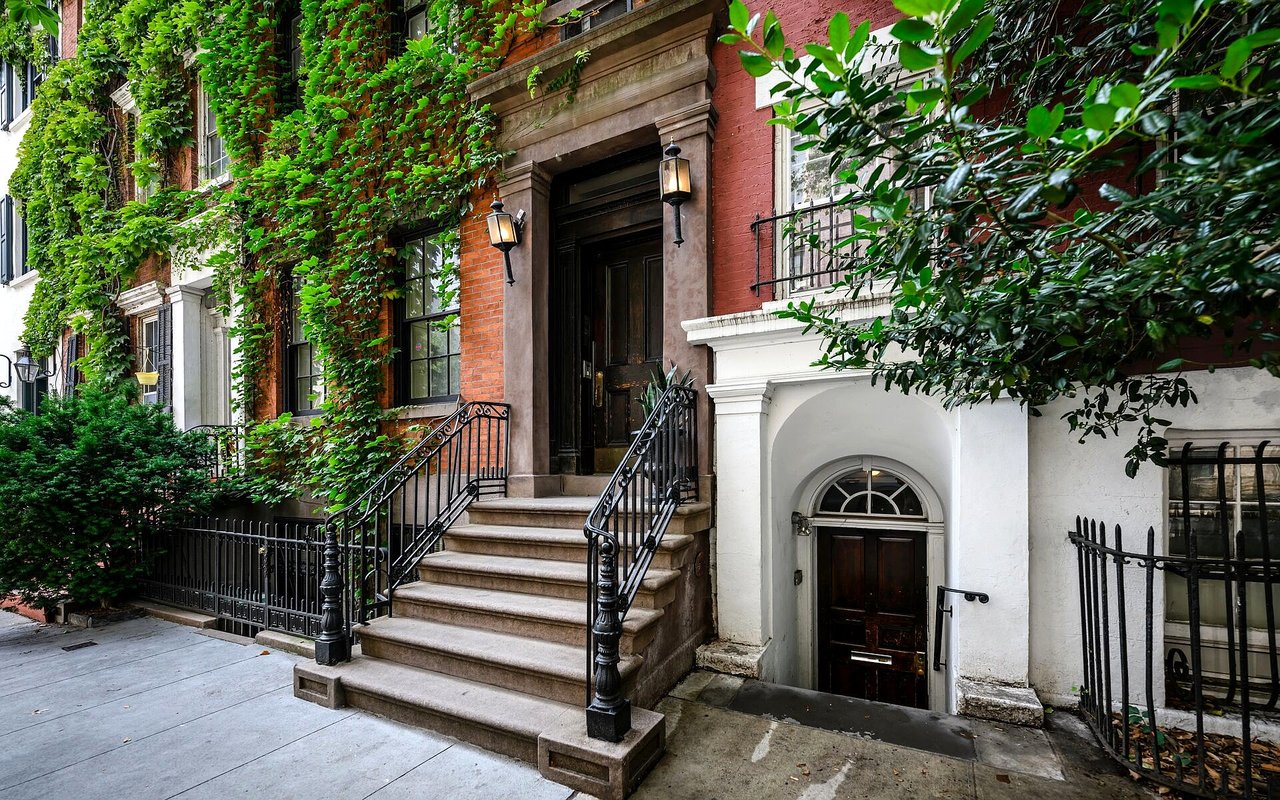
On the side streets between Fifth Avenue and Lexington, the Upper East Side still holds rows of Italianate brownstones, Queen Anne houses and Beaux-Arts mansions that have outlasted more than a century of change around them. Owning one means owning a piece of that architectural record, along with a front door, a stoop, and often a garden of your own. Townhouse purchases also come with their own set of rules, from landmark permits to buyer-paid taxes, and knowing them early makes the process far more rewarding. Here’s what we walk every townhouse buyer through on the Upper East Side.
Key Takeaways
- Many Upper East Side townhouses sit within designated historic districts overseen by the Landmarks Preservation Commission.
- Most exterior permits are issued by LPC staff, while larger changes go through a public hearing.
- Buyers of townhouses priced at $1 million or more pay New York’s mansion tax, which rises with price.
- Each district has its own architectural character, from Treadwell Farm to Carnegie Hill.
Where Are the Upper East Side’s Townhouse Blocks?
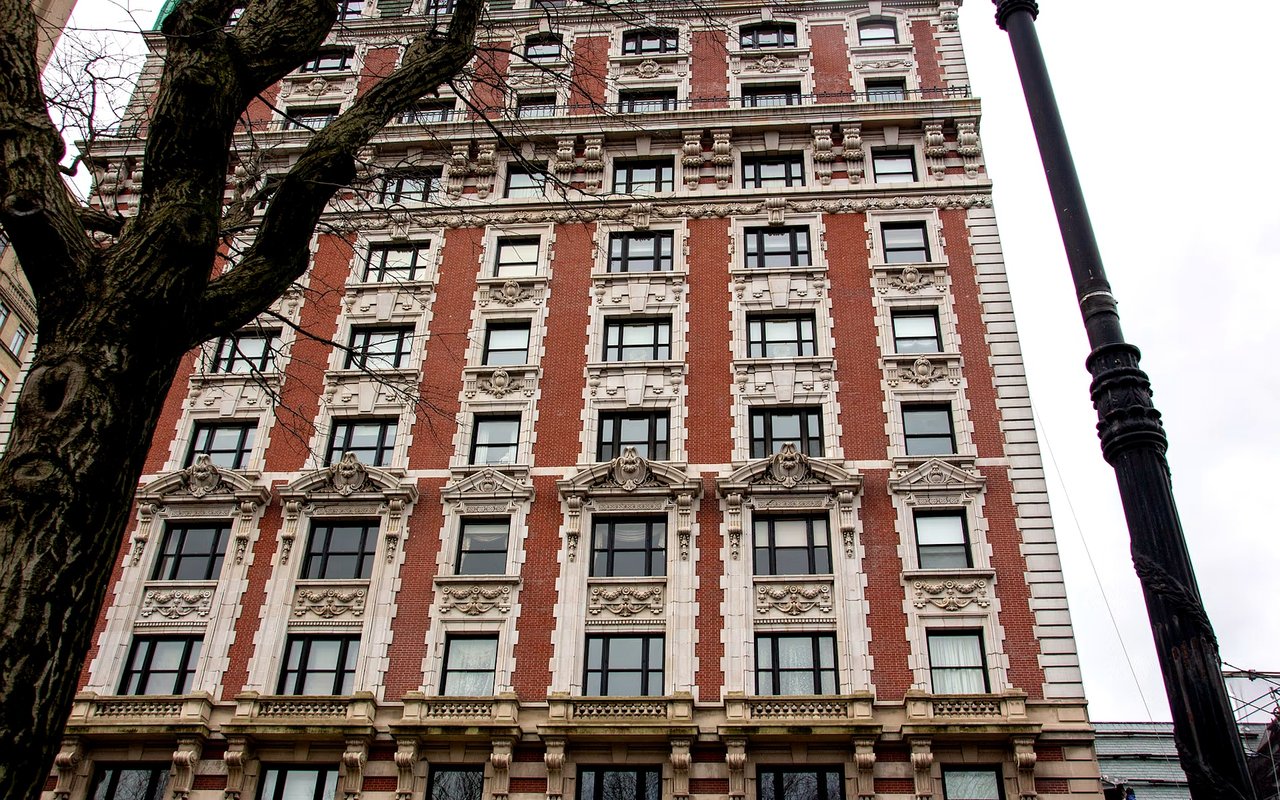
Many of the Upper East Side’s townhouses sit within historic districts designated by the city, which helps preserve the character buyers come here for. The Upper East Side Historic District, designated in 1981 and extended in 2010, is one of the city’s largest and spans brownstones from the 1860s through the Beaux-Arts mansions of the early 1900s.
Smaller districts offer their own distinct streetscapes, which is why we encourage buyers to tour more than one before deciding.
Smaller districts offer their own distinct streetscapes, which is why we encourage buyers to tour more than one before deciding.
Townhouse Enclaves Worth Knowing
- Treadwell Farm, on East 61st and 62nd Streets between Second and Third Avenues, preserves houses built from 1868 to 1876 and was designated in 1967.
- Henderson Place, near East End Avenue and 86th Street, is a collection of Queen Anne houses designed by Lamb & Rich and built in 1881 and 1882.
- Carnegie Hill, designated in 1974 and extended in 1993, takes its name from Andrew Carnegie’s Fifth Avenue mansion and includes rowhouses from the 1870s through the early 1900s.
- The Park Avenue Historic District, designated in 2014, adds another layer of protected streetscape to the neighborhood.
How Do Landmark Rules Affect Townhouse Owners?
Landmark rules affect townhouse owners mainly through exterior work, since changes to facades, windows, stoops, and rooftops in a historic district need a permit from the Landmarks Preservation Commission. The good news is that the commission issues about 95% of its permits at the staff level, without a public hearing.
Larger projects, such as additions or removing a stoop or cornice, require a Certificate of Appropriateness, which involves the community board and a public hearing.
Larger projects, such as additions or removing a stoop or cornice, require a Certificate of Appropriateness, which involves the community board and a public hearing.
Permits Townhouse Buyers Should Understand
- A Permit for Minor Work covers exterior projects like replacing windows in existing openings or restoring a brownstone, and it’s issued by staff.
- A Certificate of No Effect covers work that also needs a Department of Buildings permit, such as interior renovations and new heating or plumbing.
- Rooftop and rear-yard additions are reviewed under the LPC’s rules, and proposed updates to those rules are scheduled for a public hearing on November 17, 2026.
- Planning a renovation before closing gives you a realistic timeline for the work you have in mind.
What Closing Costs Do Townhouse Buyers Pay?
Townhouse buyers in New York City pay the state’s mansion tax on residential purchases of $1 million or more, starting at 1% and rising with price. Since 2019, a supplemental tax brings the buyer’s combined rate to as much as 3.9% for purchases of $25 million or more.
Buyers who finance also pay the city and state mortgage recording tax, so it’s wise to plan both into your budget early.
Buyers who finance also pay the city and state mortgage recording tax, so it’s wise to plan both into your budget early.
Budgeting for a Townhouse Purchase
- The combined mansion tax rate steps up at thresholds such as $2 million, $3 million, $5 million, and $10 million.
- Mortgage recording tax applies to the loan amount, so a larger down payment reduces it.
- Sellers customarily pay the New York State and New York City transfer taxes, which keeps those costs off the buyer’s side of the ledger.
- A thorough inspection of the roof, facade, mechanical systems, and any elevator gives you a clear picture of upcoming maintenance.
Frequently Asked Questions
Are Upper East Side townhouses single-family homes?
Many are, though some are configured as multi-family buildings or include separate rental units. Reviewing the building’s legal use and configuration is an important part of due diligence.
Can I add an elevator to a townhouse?
In many cases, yes, since interior work generally needs a Department of Buildings permit and an LPC Certificate of No Effect rather than a public hearing. Rooftop bulkheads visible from the street may require additional review.
How long does landmark approval take?
Most staff-level permits move relatively quickly, while a Certificate of Appropriateness typically takes about three months. Building that time into your renovation plans keeps your project on track.
Contact Christie’s International Real Estate New York Today
A townhouse on the Upper East Side offers a rare combination of history, privacy, and space in the heart of Manhattan. Our team at Christie’s International Real Estate New York knows these blocks well, and we can help you understand each property’s district, permits, and costs before you commit.
When you’re ready to explore townhouses and other Upper East Side homes for sale, schedule a meeting with the team at Christie’s International Real Estate New York, and let’s find the right home for you.
When you’re ready to explore townhouses and other Upper East Side homes for sale, schedule a meeting with the team at Christie’s International Real Estate New York, and let’s find the right home for you.