By Christie’s International Real Estate New York
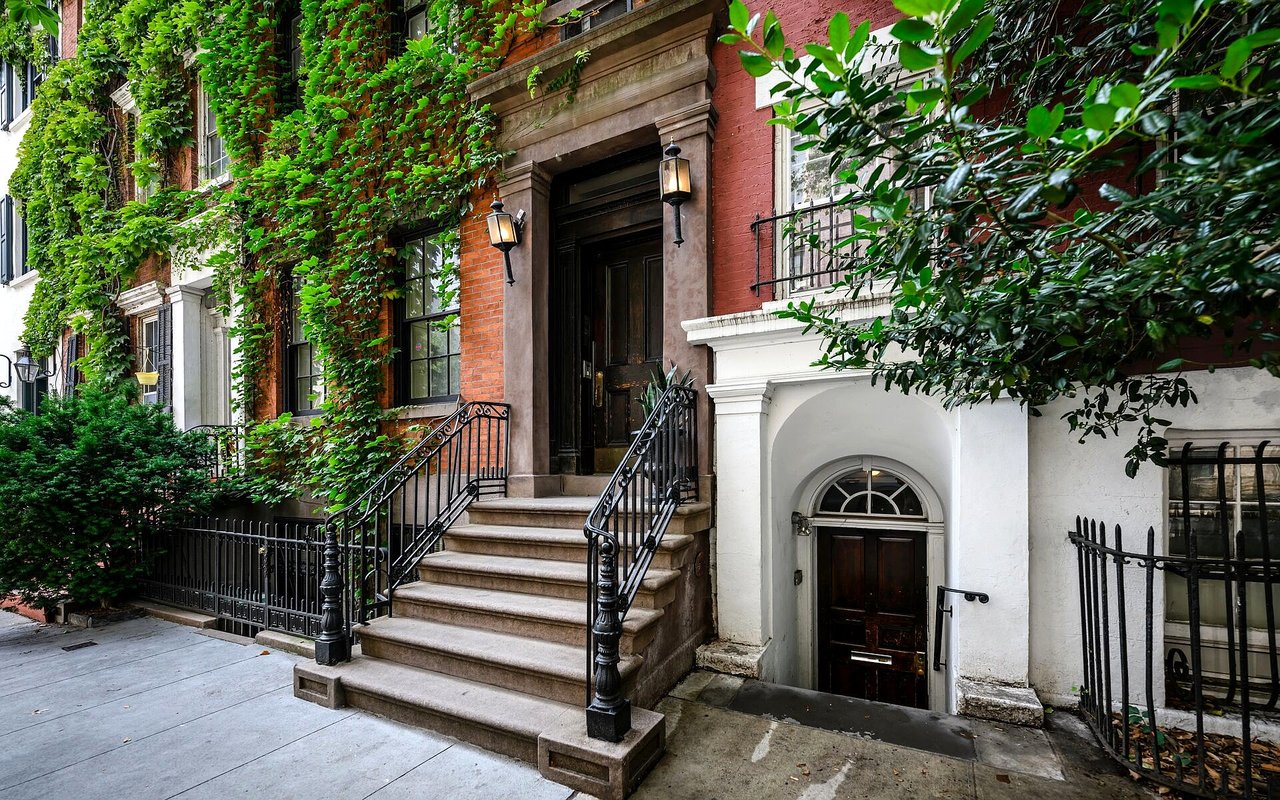
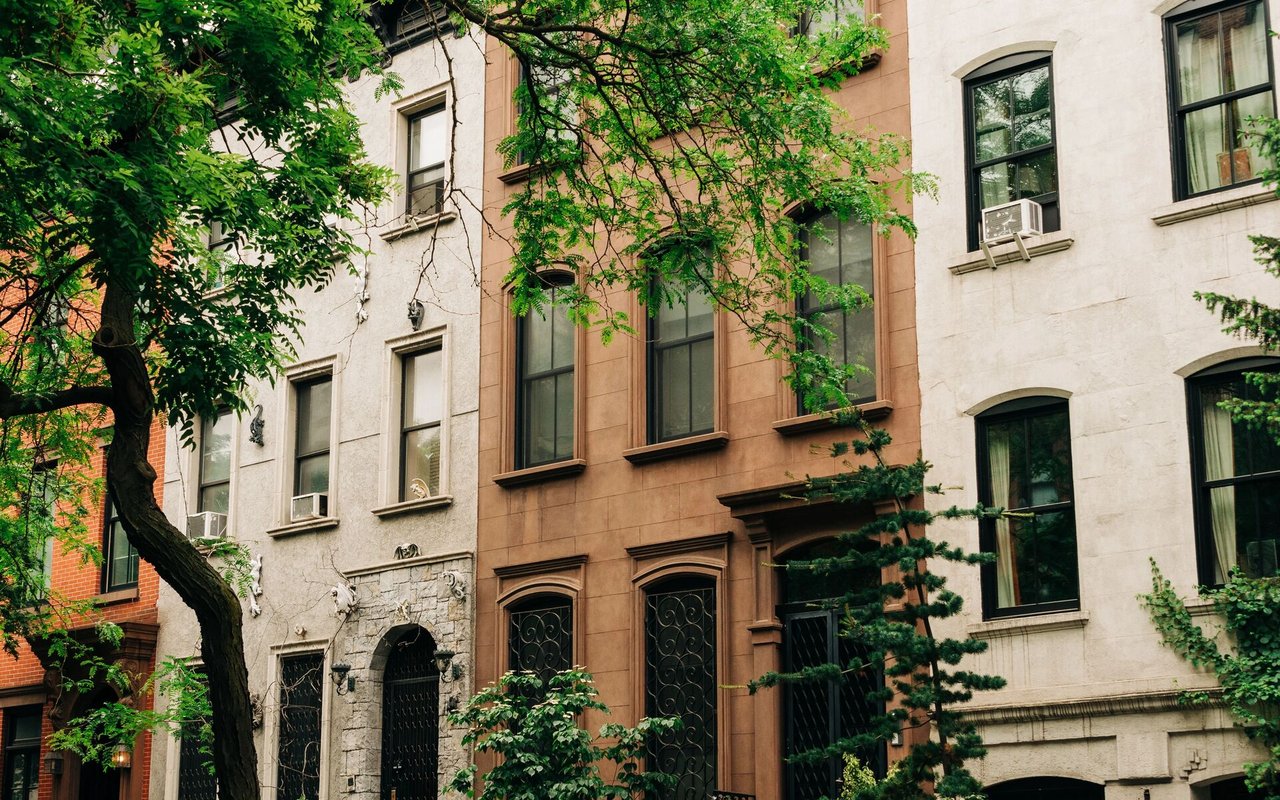
The Upper West Side’s brownstone blocks were built in a roughly 50-year burst that began when the Ninth Avenue elevated opened in 1879, and their stoops, bay windows, and carved stone still define the neighborhood’s side streets. Buying one is part architectural decision and part lifestyle choice, since a brownstone offers space, character, and a connection to the city’s history that few apartments can match. These homes also come with practical details worth understanding, from landmark permits to the care of the stone itself. Here’s how to buy a brownstone on the Upper West Side with confidence.
Key Takeaways
- Most Upper West Side brownstones sit within historic districts regulated by the Landmarks Preservation Commission.
- Brownstone is a sandstone that benefits from careful, informed maintenance.
- Building configuration and rent regulation status are key parts of due diligence.
- Districts from Central Park West to Riverside Drive each have their own character.
Where Are the Upper West Side’s Brownstone Blocks?
The Upper West Side’s brownstones are concentrated on the side streets between Central Park West and Riverside Drive, much of which is protected by historic district designation. The Upper West Side/Central Park West Historic District, designated in 1990, includes hundreds of rowhouses on the blocks between Central Park West and Amsterdam Avenue.
Closer to the Hudson, the Riverside-West End Historic District, designated in 1989 and extended in 2012 and 2015, protects rowhouse blocks that first rose in the late 1880s.
Brownstone Blocks Worth Exploring
- The Riverside-West End extensions cover blocks between West 79th and West 87th Streets and between West 89th and West 109th Streets, where Queen Anne, Romanesque, and Renaissance Revival rowhouses line the streets.
- The Riverside Drive-West 80th-81st Street Historic District, designated in 1985, includes Elizabethan Revival houses designed by Clarence F. True in the late 1890s.
- The West End-Collegiate Historic District, designated in 1984, adds another distinctive collection of rowhouses near West End Avenue.
- Comparing homes across several districts helps you find the scale and style that suit you best.
What Should You Know About Brownstone Stone and Facades?
Brownstone is a brown sandstone made of layers, and the LPC’s Rowhouse Manual explains that it was often set with its layers vertical, which makes it more vulnerable to weathering over time. Understanding the condition of the facade and stoop is one of the most important parts of evaluating a brownstone.
Thoughtful restoration keeps these facades beautiful, and the LPC offers clear guidance on how it should be done.
Facade Details to Evaluate
- Spalling, when layers of stone separate, is the most common brownstone issue, so a close look at the facade and stoop is worthwhile.
- Repairs are often made with tinted patching or replacement stone, and the LPC typically requires a test patch before approving the work.
- Gentle cleaning methods protect the stone, and abrasive techniques aren’t permitted on landmarked facades.
- Masonry repair, resurfacing, and cleaning in a historic district require an LPC permit, while removing a stoop requires a full Certificate of Appropriateness.
What Due Diligence Matters for a Brownstone Purchase?
Due diligence for a brownstone focuses on how the building is configured and used, since many brownstones contain more than one unit. The Rent Guidelines Board notes that rent stabilization generally applies to buildings with six or more units built before 1974, so the number of units matters.
Confirming the building’s legal use and any existing tenancies helps you plan for how you’ll live in the home.
Questions to Answer Before You Buy
- How many legal units does the building have, and does that match how it’s currently used?
- Are any units occupied by tenants, and what are the terms of their leases?
- What work has been done on the facade, roof, and mechanical systems, and were permits obtained?
- If you plan to convert a multi-unit brownstone to a single-family home, what approvals will the conversion require?
Frequently Asked Questions
Do I need landmark approval to renovate a brownstone’s interior?
Interior renovations that need a Department of Buildings permit typically also need an LPC Certificate of No Effect, which is issued by staff. Exterior work like windows or stoops requires its own LPC permit.
Are brownstones expensive to maintain?
Like any historic home, a brownstone benefits from regular care, especially for the facade, roof, and stoop. Planning a maintenance budget from the start keeps the home in excellent condition.
What makes Upper West Side brownstones unique?
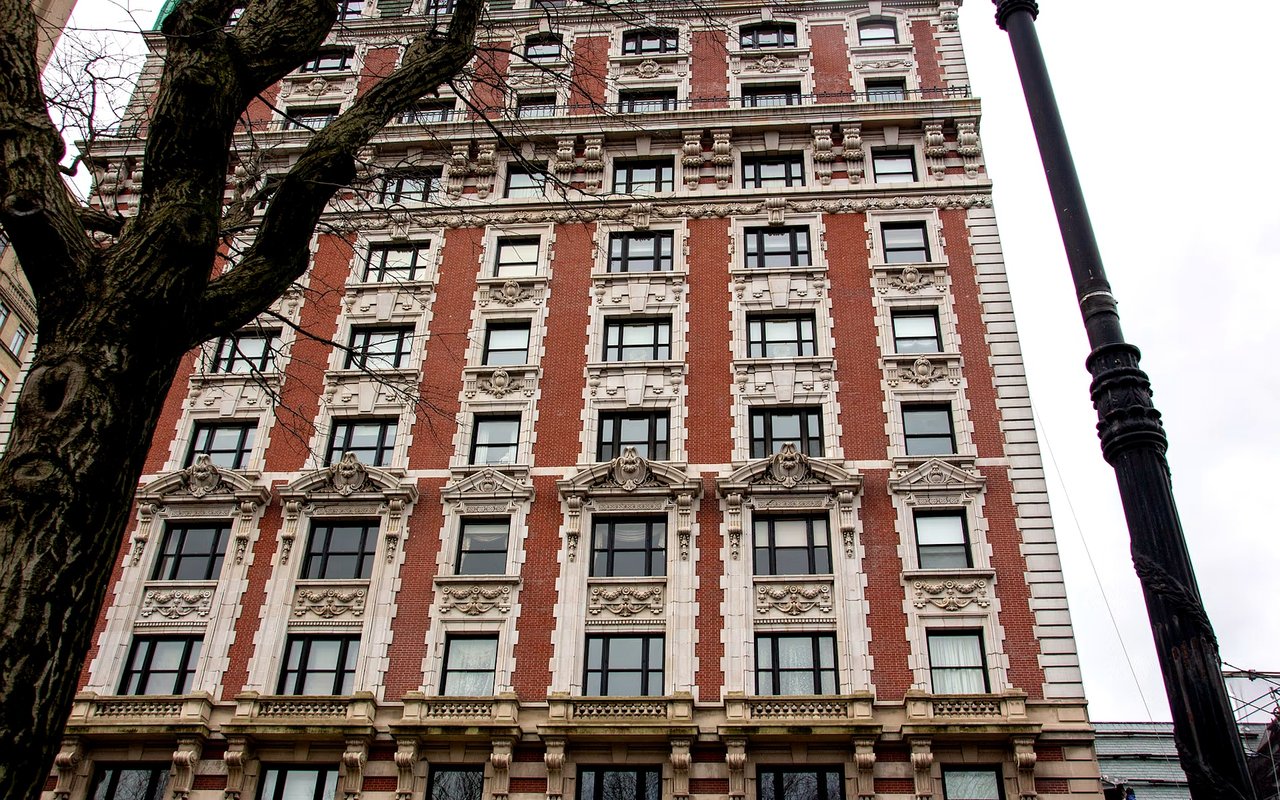
Their blocks were built largely between the late 1800s and the early 1900s, giving many streets a cohesive architectural rhythm. That cohesion sits alongside the neighborhood’s architectural landmarks, from grand apartment houses to institutional buildings.
Contact Christie’s International Real Estate New York Today
A brownstone on the Upper West Side offers a home with history, space, and a sense of place that’s hard to find anywhere else in Manhattan. Our team at Christie’s International Real Estate New York can guide you through the district rules, building details, and due diligence that make a brownstone purchase successful.
To see brownstones and other Upper West Side homes for sale, start with the team at Christie’s International Real Estate New York, and we’ll help you find the right block.